Being a Veteran is T-shirt Design: A Designer's Review
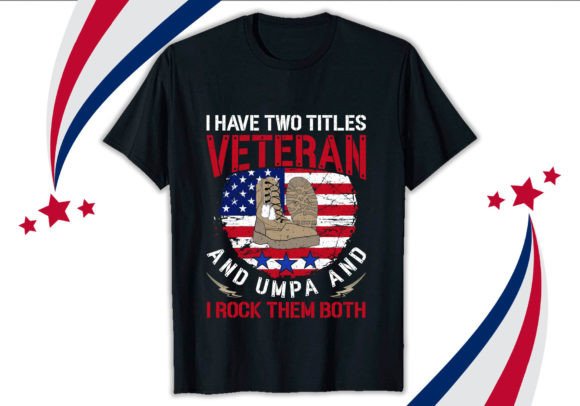
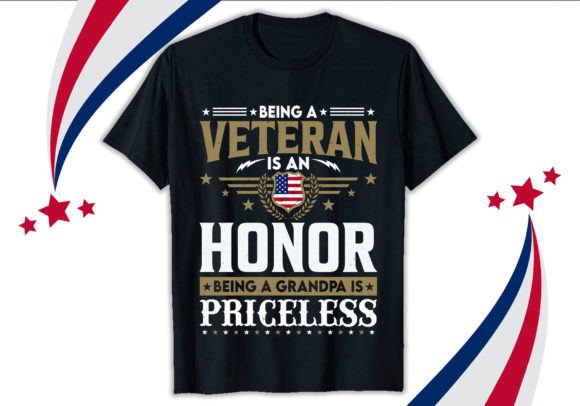
When I first opened the file for Being a Veteran is T-shirt Design, my immediate reaction was one of quiet respect. As someone who spends hours troubleshooting stitch density and choosing the right stabilizer, I know that typography can be a double-edged sword. It looks simple on a screen, but in real-life embroidery, it demands precision. This piece doesn't try to be flashy; instead, it leans into the power of clean lines and bold messaging. It feels like a design meant to stand the test of time, much like the service it honors.
The First Impression: Mood and Visual Personality
The visual personality of this graphic is straightforward and dignified. In the world of T-Shirt Designs and Graphics, there is often a temptation to overcomplicate things with intricate borders or excessive flourishes. However, Being a Veteran is T-shirt Design cuts through the noise. The typography suggests a strong, confident voice. It creates a mood that is both celebratory and solemn, which is exactly what you want when creating a tribute piece.
From a layout perspective, the spacing between the letters appears balanced. This is crucial because uneven lettering can make a professional-looking garment appear amateurish. The design has a clear focal point, making it ideal for chest placements on apparel or centered compositions on home goods. It feels versatile enough to be a statement piece without overwhelming the fabric texture beneath it.
Real-World Application: From Screen to Stitch
Let me take you through a scenario I encountered recently. I was preparing a custom order for a local boutique owner who wanted to create a line of holiday gifts for military families. She needed something that could work across multiple product types without losing its impact. We tested Being a Veteran is T-shirt Design on a variety of substrates, starting with a heavy cotton sweatshirt intended for a cozy sweater.
The result was impressive. The design translated beautifully onto the textured fabric of the sweater. Because the typography relies on solid forms rather than delicate filigree, it held up well against the nap of the material. I also experimented with placing it on a canvas tote bag design. The contrast between the thread and the rugged canvas gave the item a tactile, handmade appeal that customers love. It felt authentic, not mass-produced.
We even tried it on a baby onesie for a personalized gift. Here, the scale mattered immensely. When scaled down, the letters remained legible, provided we used the correct hoop size and a high-quality cutaway stabilizer. The design proved itself as a robust asset for small shop products, capable of elevating a simple embroidered patch or a kitchen towel into a premium item.
Where Caution is Key: Limitations and Challenges
While this design is strong, no single file is perfect for every situation. As an experienced designer, I have learned that understanding where a design should not be used is just as important as knowing where it shines. If you are working with very small hoop sizes, such as those used for cuff embroidery or tiny cap panels, you must scrutinize the fine details of the lettering. While the main text is likely sturdy, any decorative accents might get lost in the stitching process if the machine tension isn't perfectly calibrated.
Textured fabrics like bouclé or thick fleece can sometimes swallow up fill stitches, causing the text to look muddy. Similarly, stretchy fabrics require extra care. Without a proper tear-away or cutaway stabilizer, the tension of the embroidery could cause the fabric to pucker, distorting the message of Being a Veteran is T-shirt Design. Dark fabrics present another challenge; if the thread color choice isn't high-contrast, the design will lose its visibility. Always test your thread colors against the final fabric before committing to a full production run.
I would also advise caution when using this design on curved surfaces like baseball caps unless you have a specialized cap frame and experience with curved digitizing. The geometry of the letters needs to follow the curve of the hat, and standard flat digitizing might result in a warped appearance on the brim.
Impact on Product Value and Customer Trust
In the competitive world of Etsy sellers and craft businesses, the quality of your finished product dictates customer trust. A poorly executed embroidery job can ruin the perception of an entire brand. Conversely, a crisp, well-executed design like this one signals professionalism. When a customer sees a clean, legible tribute on a pillow cover or a hoodie, they feel confident that the maker put thought and skill into the item.
This design enhances the perceived value of the finished product. It transforms a generic item into a meaningful keepsake. For commercial embroidery projects, having a reliable design asset means you can fulfill orders faster and with greater consistency. Whether you are creating holiday embroidery collections or wedding gifts, the clarity of the typography ensures that the sentiment is communicated effectively. It fosters recognition among buyers who appreciate high-quality handmade goods.
Practical Notes for the Embroidery Designer
If you are planning to use this file for your next project, here are some essential steps to ensure success:
- Test on Scrap Fabric: Never go straight to the final product. Run a test stitch on a scrap of the same material to check for puckering and thread breaks.
- Check Thread Color Contrast: Ensure the thread colors pop against your background. A dark gray on black, for example, might fail to convey the intended message.
- Review Stitch Density: High-density areas can cause the fabric to bunch up. Inspect the fill stitch settings to ensure they are appropriate for the fabric weight.
- Confirm Hoop Size: Verify that the design fits within your intended hoop dimensions, especially if you are working on smaller items like aprons or baby clothes.
- Inspect Small Details: Zoom in on the digital preview to ensure no tiny elements will disappear during the stitching process.
- Test Black and White Mockups: Sometimes color distracts from the structure. Viewing the design in monochrome helps identify balance issues.
- Use Proper Stabilizer: Match your stabilizer to the fabric. Heavy stabilizers are often needed for dense designs to prevent distortion.
- Licensing Check: Before selling finished items or digital products, confirm the licensing terms. Not all files allow for commercial resale.
Ultimately, Being a Veteran is T-shirt Design is a solid addition to any collection of machine embroidery design files. It offers a blend of simplicity and strength that works well for both personal projects and business ventures. By taking the time to test and prepare, you can turn this digital asset into a stunning physical reality that honors the recipient and showcases your craftsmanship.
Whether you are decorating a jumper, a mug, or a sticker, the key lies in execution. With careful attention to detail, this design can serve as a powerful tool for creative entrepreneurs looking to add meaningful, high-quality items to their inventory. It is a reminder that sometimes, the most impactful designs are the ones that speak clearly and honestly.