Rhinestone Design Review for Embroidery Projects
First Impressions of Rhinestone Design
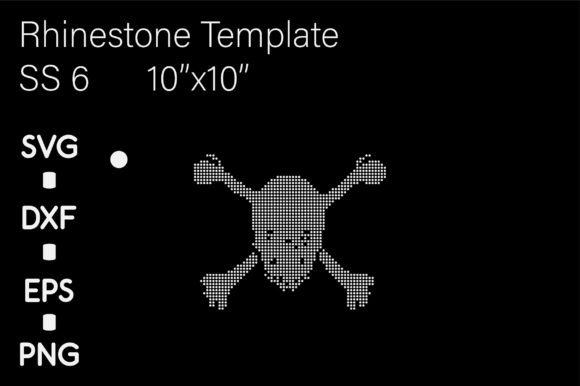
At first glance, Rhinestone Design feels like a spark of inspiration. It has that subtle glimmer that makes it stand out without being over the top. The layout is clean and elegant, with a focus on geometric shapes and symmetrical patterns that feel modern yet timeless. This design naturally fits into projects that need a touch of sparkle without overwhelming the fabric or the eye.
The theme suggests versatility—whether you're working on a custom embroidered tote bag, a sweatshirt embroidery project, or even a handmade product for your Etsy shop, this design could add that extra flair needed to make the piece pop. Its visual personality leans towards sophistication, making it ideal for boutique branding or personalized gifts.
Real-Life Use in Embroidery Projects
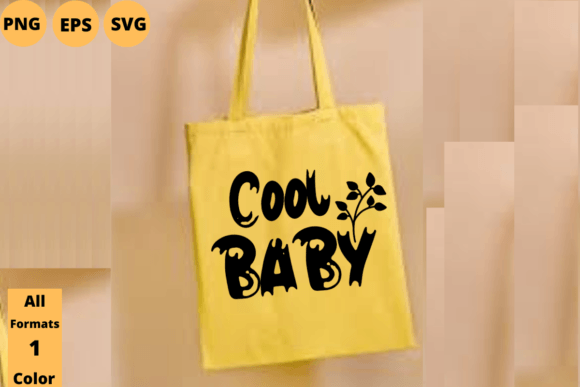
Let’s imagine I'm preparing a custom embroidered tote bag for a small shop. I want something that adds value but doesn’t distract from the overall look. Rhinestone Design would be a perfect fit here. The detail level is just right—not too intricate that it becomes a distraction, but enough to catch the light and give the tote a unique edge.
This design also works well for holiday embroidery or nursery decor. When placed on a baby onesie or a decorative pillow cover, it brings a touch of elegance that appeals to parents looking for high-quality, handmade products. For apparel decorators or craft business owners, it can serve as a go-to design for commercial embroidery jobs that require both style and clarity.
When using Rhinestone Design on caps or patches, I’d recommend testing it on scrap fabric first. This helps ensure that the stitch density and placement work well on curved surfaces and small hoop sizes. The design's structure allows for good stitching clarity, which is essential when creating embroidered patches or custom apparel for clients who expect professional results.
Where to Use with Caution
While Rhinestone Design is versatile, there are some scenarios where careful consideration is needed. On thin fabric or stretchy materials, the design might lose some of its visual impact unless paired with the right stabilizer. Similarly, if you're embroidering on dark fabric, checking thread color contrast is crucial to ensure the rhinestone effect remains visible.
For small hoop sizes or detailed corners, I'd suggest reviewing the stitch density and adjusting as necessary. Tiny lettering or dense areas may not translate well to smaller hoops, so testing is always a good idea. If you're planning to use this for commercial embroidery or digital embroidery files meant for resale, confirming licensing terms is essential to avoid any legal issues later on.
Visual Appeal and Practical Value
Rhinestone Design elevates the visual appeal of any embroidered project. Whether it's a personalized gift or a small shop product, this design adds a layer of sophistication that customers appreciate. It enhances product value by giving handmade items a polished, professional finish that speaks to quality and attention to detail.
For Etsy sellers or craft fair participants, having a design that stands out visually can significantly increase buyer engagement. It also contributes to brand consistency, especially if used across multiple design assets or printable mockups for promotional purposes.
When considering giftability and recognition, this design is a safe bet. It’s recognizable enough to create a sense of familiarity but unique enough to remain memorable. That balance is key for handmade products and personalized gifts that aim to impress.
Embroidery Designer Notes
Before diving into a full project with Rhinestone Design, I recommend the following:
- Test on scrap fabric: Always check how the design looks after stitching on different materials before committing to a final product.
- Check thread color contrast: Especially important for dark fabrics to maintain the rhinestone effect.
- Review stitch density: Adjust as needed for small hoop sizes or detailed areas.
- Confirm hoop size: Ensure the design fits within your available hoop space without stretching or distorting.
- Inspect small details: Make sure every part of the design translates well when stitched.
- Test in black and white mockups: Helps visualize how the design will look on different backgrounds.
- Use proper stabilizer: Especially for thin or stretchy fabrics to prevent puckering or distortion.
- Check whether the design works for both personal and commercial projects: Confirm licensing before selling finished items or digital products.
Rhinestone Design is a solid addition to any designer's toolkit, especially those looking for a spark of elegance in their embroidery projects. With the right preparation and application, it can enhance a wide range of handmade and commercial items, making it a valuable asset for craft businesses and creative entrepreneurs alike.