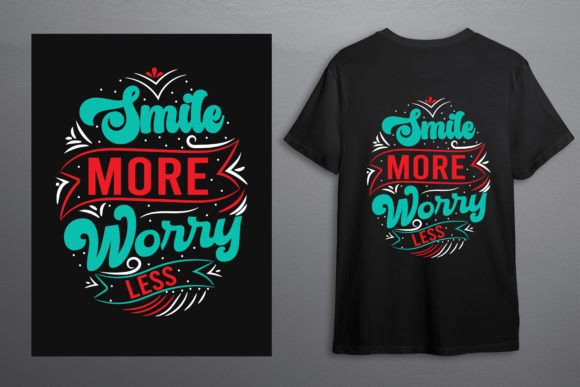
Smile More Worry Less - Mental Health
When I first opened the Smile More Worry Less - Mental Health design file, my immediate reaction wasn't about the technical specs but about the emotional weight it carries. As a designer who has stitched thousands of designs for clients ranging from boutique owners to hobbyists, I know that a successful embroidery project starts with the right mood. This piece feels like a deep breath in a chaotic room. It is simple, direct, and perfectly suited for the current market demand for mental health awareness apparel. However, moving from a digital preview to a finished physical product requires more than just hitting the "start" button on your machine.
The First Stitch: Visual Impact and Mood
The core strength of this design lies in its straightforward message. In the world of machine embroidery design, less is often more, especially when dealing with themes as sensitive as mental well-being. The layout avoids clutter, allowing the text to take center stage without competing with unnecessary decorative elements. When I imagine this on a soft cotton tee or a sturdy canvas tote, the visual personality shines through. It doesn't scream for attention; instead, it invites the wearer to pause and reflect.
For those looking to create a handmade product that resonates, this design offers a professional look without requiring complex digitizing skills. The typography suggests a balance between modern minimalism and approachable warmth. Whether you are an Etsy seller building a brand around self-care or a crafter making a gift for a loved one, the aesthetic fits seamlessly into a collection of wellness-focused items. It creates an instant connection with the audience because the sentiment is universally understood.
Real-World Application: From Digital File to Finished Product
Let's walk through a practical scenario. Imagine you are preparing a custom order for a local yoga studio or a mental health support group. You decide to use the Smile More Worry Less - Mental Health design for embroidered patches on denim jackets or perhaps a sweatshirt embroidery project for a winter fundraiser. The design files provided include SVG, PNG, EPS, and DXF formats, which gives you flexibility in how you prepare the artwork.
In a real-life setting, this design performs exceptionally well on medium-to-large surface areas. A tote bag design made from heavy canvas provides the perfect stability for the stitches to hold their shape. The contrast between the thread and the fabric becomes the primary focus. If you choose a light background fabric with dark thread, the message pops with clarity. Conversely, using white thread on a navy blue hoodie creates a classic, high-end look that elevates the perceived value of the item. For a baby embroidery project, such as a onesie or a blanket, the gentle message combined with a clean stitch pattern makes it a thoughtful personalized gift that parents will cherish.
I also see potential for this design in holiday embroidery projects. Think of a Christmas stocking or a New Year's pillow cover where the message serves as a reminder to start the year with a positive mindset. The versatility allows it to transcend seasonal trends, making it a staple for any small shop product line focused on positivity.
Navigating Technical Challenges and Limitations
While the design is strong, no single file works perfectly in every situation. There are specific scenarios where you must exercise caution. If you are working with small hoop sizes, such as those used for hats or caps, the curvature of the fabric can distort the lettering if the design isn't sized correctly. Curved surfaces require careful tension adjustments to ensure the satin stitch remains smooth and doesn't pucker.
Textured fabrics, like chunky knits or raw linen, present another challenge. The uneven surface can cause the needle to skip or the threads to catch, leading to a messy finish. Similarly, thin or stretchy fabrics need a robust stabilizer to prevent the garment from warping during the stitching process. Without proper support, the density of the fill stitches might pull the fabric out of alignment, ruining the drape of a custom apparel item.
Dense stitch areas should be avoided on delicate materials. If the design relies heavily on fill stitches to create solid blocks of color, it may become too stiff for comfortable wear on a t-shirt or a lightweight shirt. Additionally, if the design includes tiny lettering or intricate details, these features can get lost in the stitching process, especially if the thread count is low. Always inspect small details before committing to a full production run.
Strategic Placement for Maximum Value
The placement of the design significantly affects customer trust and brand consistency. A centered chest logo on a sweatshirt conveys professionalism and is a safe bet for commercial embroidery projects. However, placing it on the back of a jacket or as a large graphic on the front of a tote bag can make a bolder statement. For a boutique branding effort, consistency in thread colors and placement across different products helps establish a recognizable identity.
When creating printable mockups for digital product previews, ensure that the lighting highlights the texture of the embroidery. Customers buying handmade goods want to see the quality of the stitching. If the design looks flat or pixelated in your photos, it undermines the artisanal feel. High-quality images of the Smile More Worry Less - Mental Health design on various fabrics can help buyers visualize the final result, increasing engagement and sales.
Essential Designer Notes for Success
Before you launch into production, there are several critical steps to take. First and foremost, test the design on scrap fabric. This simple step reveals issues with thread tension, stabilizer choice, and stitch density that you cannot predict from a screen. Check thread color contrast by viewing the design in black and white mockups; sometimes a color combination that looks good digitally fails in reality due to similar shades blending together.
Review the stitch density carefully. If the design is too dense, it may require multiple passes or a larger needle, which could damage the fabric. Confirm the hoop size requirements to ensure your machine can accommodate the design dimensions. Inspect small details to ensure they remain legible after stitching. Use proper stabilizer based on the fabric type—cut-away for woven items and tear-away for stable knits, though some designers prefer cut-away for durability in all cases.
Finally, verify whether the design works for both personal and commercial projects. Licensing terms vary, and selling finished items with a design intended only for personal use can lead to legal issues. Confirm licensing before selling finished items or digital products. By following these guidelines, you ensure that the Smile More Worry Less - Mental Health design translates beautifully from a digital file to a tangible, high-quality finished product that brings joy and comfort to its owner.