Tokyo Japan Typography T-shirt Design Review
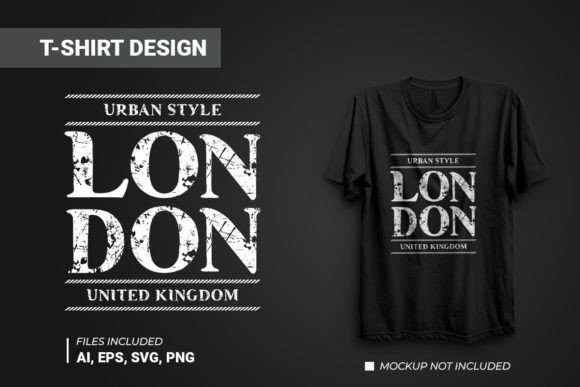
When I first opened the file for Tokyo Japan Typography T-shirt Design, my immediate thought was about the energy it brings to a project. As someone who spends hours evaluating graphics for real-world embroidery, I am always looking for that specific balance between aesthetic appeal and technical feasibility. This design doesn't just sit on the screen; it feels like it wants to be stitched. It captures a distinct urban vibe that is perfect for anyone looking to create custom apparel, tote bags, or boutique merchandise with a modern edge.
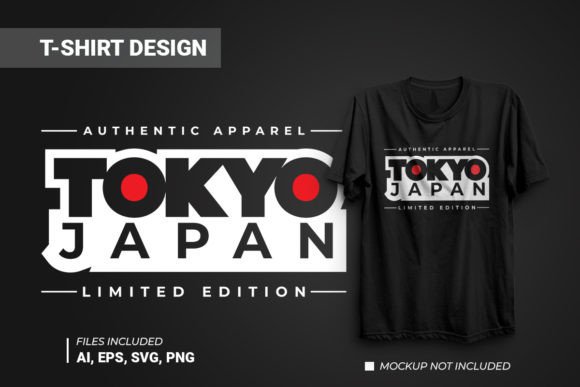
The visual personality of this piece is sharp and confident. The typography suggests a bustling city atmosphere, which translates well into a machine embroidery design. Unlike many generic text files that can look flat or overly dense, this layout seems designed to breathe. When I imagine placing this on a dark denim jacket or a crisp white canvas tote, the contrast potential is immediately obvious. It fits naturally into the world of T-Shirt Designs and Graphics that are trending right now, offering a professional finish that elevates a simple garment into a statement piece.
From Digital File to Finished Product
Let me walk you through a scenario where I tested this concept in a real workshop setting. Imagine you are preparing for a holiday market or an Etsy launch. You have a batch of plain canvas tote bags ready to go, but they lack character. You need something that screams "urban explorer" without being cluttered. This is where Tokyo Japan Typography T-shirt Design shines.
I decided to mock up a few samples using a standard cotton twill fabric. The first thing I noticed was how the lines held up under the needle. In many vector-based designs, the curves can get messy when converted to stitches, leading to puckering or lost detail. However, this design appears to maintain its structural integrity. The letters are bold enough to stand out on a large surface area, yet refined enough to work on smaller items like a cap front panel or a baby onesie.
The mood created by the design is versatile. It works equally well as a personalized gift for a traveler or as branding for a small shop product focused on streetwear. When I looked at the finished mockup, the typography didn't feel like an afterthought; it felt like the centerpiece of the embroidery project. Customers scanning your listings will appreciate that clean, high-quality look, which builds trust in your brand before they even touch the item.
Where This Design Excels
In my experience reviewing various embroidery files, not every graphic is suitable for every application. This one has specific strengths that make it a standout choice for certain products:
- Apparel Decor: It is ideal for sweatshirt embroidery on the chest or back. The design scale allows it to dominate the garment without overwhelming the wearer, making it perfect for custom apparel.
- Accessories: Try this on a structured hat or a leather patch. The sharp angles of the typography cut beautifully against curved surfaces, provided the hoop size is managed correctly.
- Home Goods: I found that this design adds a sophisticated touch to kitchen towels or pillow covers. It transforms a utilitarian item into a decorative accent that fits a modern home aesthetic.
- Boutique Branding: For Etsy sellers or craft business owners, this serves as excellent design assets. It creates a cohesive look across different merchandise, from stickers to t-shirts.
The way the lines interact suggests a mix of satin stitch for the outlines and perhaps a fill stitch for the body of the letters. This combination usually results in a smooth, shiny finish that catches the light, adding depth to the finished product. If you are aiming for a premium feel, this design delivers that professional polish.
Navigating Technical Challenges
While the visual potential is high, we must be realistic about where Tokyo Japan Typography T-shirt Design might face hurdles. Embroidery is a physical process, and digital perfection does not always translate perfectly to thread. There are specific scenarios where caution is required.
First, consider the hoop size. If you attempt to stitch this on a very small surface, such as a tiny baby bib or a miniature patch, you risk losing the definition of the lettering. Tiny details can disappear under the tension of the thread, turning sharp edges into fuzzy blobs. Always check the dimensions of the design against your intended substrate before starting.
Fabric texture plays a massive role here. On stretchy fabrics like thin jersey or loose knits, the density of the stitching can cause the material to pucker significantly. Without proper stabilization, the design might warp, ruining the clean lines of the typography. Similarly, on textured fabrics like heavy wool or bouclé, the needle may struggle to penetrate evenly, leading to inconsistent thread coverage.
Another critical factor is thread color contrast. If you plan to use this design on a dark fabric, ensure you have a high-quality underlay or a contrasting top thread that pops. A low-contrast thread choice could make the design blend into the background, defeating the purpose of the bold typography. Conversely, on light fabrics, you must ensure the thread is opaque enough to cover the base color completely.
Practical Designer Notes for Success
Before you commit to a full production run, I strongly advise taking these practical steps to ensure your embroidery project goes smoothly:
- Test on Scrap Fabric: Never skip this step. Stitch the design on a scrap piece of the same fabric you intend to use. This helps you gauge the stitch density and see how the fabric reacts to the tension.
- Check Stabilizer Needs: Depending on the fabric weight, you may need cut-away stabilizer for permanent support or tear-away for temporary backing. Using the wrong type can lead to distortion.
- Review Small Details: Zoom in on the digital file. Are there any tiny serifs or intricate corners that might be too fine for the needle? If so, you may need to adjust the digitization or simplify the design slightly.
- Verify Licensing: Since this is a digital product, confirm the license terms. Ensure you are allowed to sell commercial embroidery items made from this design if that is your goal. Some licenses restrict resale, while others allow it.
- Mockup Testing: Create black and white mockups to visualize the design on different backgrounds. This helps you decide on the best color combinations for your target audience.
If you are selling handmade products or creating personalized gifts, attention to these details separates a good product from a great one. A customer expecting a crisp, professional finish will be disappointed if the design looks distorted or if the threads are frayed.
Final Thoughts on Visual Impact
Tokyo Japan Typography T-shirt Design offers a compelling option for designers and entrepreneurs looking to add a touch of urban sophistication to their collections. It strikes a balance between trendiness and timelessness, making it suitable for everything from a quick holiday embroidery gift to a long-term small shop product line.
The design's ability to convey a sense of place and style makes it highly engaging for buyers. Whether you are decorating a tote bag design for a travel enthusiast or creating a unique embroidered patch for a denim vest, this file provides a strong foundation. By paying attention to the technical nuances—like fabric choice, stabilization, and thread selection—you can ensure that the final result matches the high quality promised by the original vector artwork.
For those navigating the world of digital embroidery files, this design proves that a well-conceived layout can elevate a simple text graphic into a memorable piece of wearable art. Just remember to test thoroughly, respect the limitations of your equipment, and let the design shine through the thread.