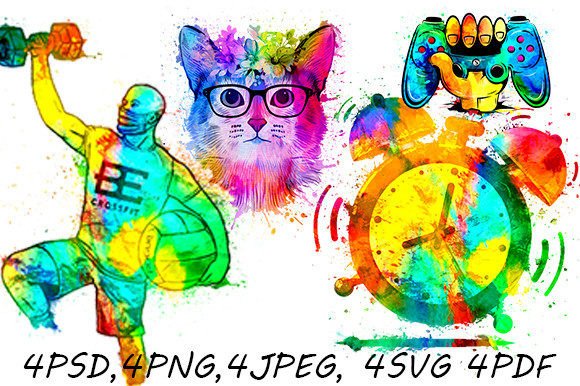
Watercolor Embroidery Design Review
A Soft and Versatile Look for Custom Projects
At first glance, the Watercolor design feels like a gentle breeze—soft, flowing, and full of subtle charm. It’s not overly detailed or busy, which makes it perfect for a range of embroidery projects where elegance is key. The design has a painterly feel with soft edges and muted transitions, reminiscent of hand-painted artwork. This gives it a unique visual personality that stands out without overwhelming the fabric.
The layout is balanced and well-proportioned, making it suitable for both small and large embroidery areas. Its theme is versatile enough to fit into various contexts—from personal gifts to commercial products. I can see this design working beautifully on custom apparel, especially baby items or holiday-themed merchandise.
Real-Life Use: Creating a Custom Tote Bag
Let’s imagine using Watercolor for an embroidered tote bag. The design’s softness would complement the casual, everyday nature of a tote while adding a touch of sophistication. When stitched, the design should maintain its delicate appearance, even when viewed from a distance. Customers would likely find it appealing for its subtlety and artistic flair.
I envision this design working well as an embroidered patch or as a larger motif across the front of a tote. However, I would test it on scrap fabric first to see how the stitch density affects the look and feel. If the stitch count is too high, it might appear stiff or lose its soft, watercolor essence.
For a tote bag, I’d recommend using a medium hoop size and ensuring the fabric has enough stability. A light-colored fabric would enhance the design’s natural tones, but dark fabrics could still work if the thread colors are carefully chosen to provide good contrast.
Where to Use Watercolor with Caution
Watercolor is a beautiful design, but there are some situations where it may need extra attention. For instance, on small hoop sizes, the details might get lost or appear cluttered. On stretchy or textured fabrics, the design might not lay flat, leading to uneven stitching. Similarly, on dark fabrics, the muted tones could become less visible unless paired with contrasting thread colors.
If you're planning to use this design on curved surfaces like caps or hats, ensure the design doesn’t have too many intricate corners or tight curves that might distort during stitching. Also, if the design includes tiny lettering or very fine details, these could be difficult to stitch cleanly, especially for beginners.
Products that require frequent washing, such as aprons or tea towels, might benefit from a stabilizer to prevent puckering or stretching over time. Always consider the fabric texture and the intended use before finalizing your project.
Visual Appeal and Project Value
The Watercolor design adds a sense of artistry and individuality to any handmade product. Whether used on a personalized gift, boutique item, or Etsy listing, it enhances the visual appeal and helps create a professional finish. The design’s soft aesthetic also contributes to a more refined presentation, which can increase customer trust and engagement.
For craft businesses or small shop owners, this design can serve as a go-to asset for seasonal collections or themed merchandise. Its versatility allows it to blend seamlessly into a variety of brand styles, making it a valuable addition to a designer’s portfolio.
When used on gift items like pillow covers, kitchen towels, or nursery decor, the design brings a calming and elegant presence. This can make the finished product more desirable and memorable for buyers.
Practical Embroidery Designer Notes
Before using Watercolor in a real project, always test the design on scrap fabric to understand how it looks when stitched. Check the thread color contrast against your chosen fabric background—especially if you’re working with dark or textured materials.
Review the stitch density and adjust it if necessary to preserve the design’s soft, flowing look. Confirm the hoop size required and ensure your machine is compatible with the file format provided (PSD, PNG, JPEG, SVG, PDF). Inspect small details closely to ensure they will translate well to the fabric.
Testing the design in black and white mockups can help identify any potential issues with contrast or clarity. Compare how the design appears on different fabric backgrounds to determine the best match for your project.
Always use proper stabilizer to support the fabric and achieve clean, crisp stitches. If you plan to sell finished items or digital products, confirm the licensing terms to ensure compliance with any restrictions.
Whether you're creating a handmade product, a custom apparel piece, or a commercial embroidery project, Watercolor offers a thoughtful and stylish option that can elevate your work and engage your audience effectively.