Forget About Santa I ll Just Ask Grandma Review
When you are an experienced designer looking at a new embroidery file, the first thing you do is ignore the sales pitch and look at the practical application. You want to know if this design will hold up in a real hoop, how it translates from a digital screen to fabric, and whether it adds value to your finished product. That is exactly where my mind goes when evaluating Forget About Santa I ll Just Ask Grandma. It is a classic example of a print template that needs to be judged on its stitching potential before it ever hits the sewing machine.
The First Impression: Mood and Layout
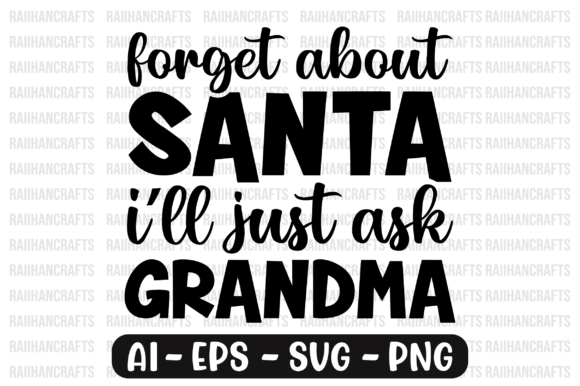
From a visual standpoint, Forget About Santa I ll Just Ask Grandma carries a distinct holiday personality. It is not just a generic Christmas graphic; it has a narrative. The layout suggests a playful, slightly cheeky tone that resonates well with modern holiday humor. For a designer, the immediate question is about the balance between text and imagery. Does the phrase sit comfortably within the intended shape? Is there enough negative space to allow the stitches to breathe, or does it feel cramped?
In a machine embroidery design, the hierarchy of elements is everything. If the lettering is too small or the curves are too tight, the final result can look muddy. This design appears to lean towards a bold statement piece. It feels like it belongs on a medium-to-large canvas where the message can be read clearly without squinting. When I look at the concept, I see it fitting perfectly into a cozy, handmade aesthetic rather than a high-fashion, minimalist run. It invites warmth, which is exactly what you want for holiday-themed custom apparel.
Real-World Application: Where It Shines
Let's imagine a specific scenario. I am preparing for a local craft fair and need to create a line of boutique products that scream "holiday spirit" but also offer a touch of wit. I decide to test Forget About Santa I ll Just Ask Grandma on a heavy cotton tote bag. Why a tote? Because the flat surface allows for a larger hoop size, giving the design room to expand. The sturdy fabric supports the density required for the text, ensuring that the satin stitch edges remain crisp.
This same design would also perform exceptionally well on a baby onesie or a soft sweatshirt. The phrase appeals to grandparents and parents alike, making it a top contender for a personalized gift. Imagine a customer buying this as a unique stocking stuffer or a special present for a family gathering. The emotional connection is strong here. However, for a small shop product or an Etsy seller, the versatility matters. Can this work on a kitchen towel? Yes. A pillow cover? Absolutely. The design assets are flexible enough to adapt to various home decor items without losing their charm.
I also envision this as a great candidate for an embroidered patch. If the design is converted properly, it could serve as a standalone accessory for denim jackets or beanies. The humor translates well across different mediums, provided the stitch density is managed correctly. For commercial embroidery projects, this kind of relatable content often drives higher engagement because customers feel seen. It moves beyond simple decoration and becomes a conversation starter.
Where Caution Is Required
However, every good designer knows that not every surface is created equal. There are specific scenarios where Forget About Santa I ll Just Ask Grandma might struggle. If you attempt to place this on a small cap or a curved hat brim, the distortion could ruin the legibility of the text. Curved surfaces require careful digitizing to account for the angle of the needle, and unless the original file is optimized for 5D or 6D caps, the letters might warp.
Similarly, thin or stretchy fabrics pose a significant risk. If you try to embroider this directly onto a lightweight t-shirt without adequate stabilizer, the puckering effect could make the design look unprofessional. The same applies to textured fabrics like fleece or bouclé; the stitches may not penetrate evenly, leading to gaps in the fill stitch areas. I would advise against using this design for tiny details on jewelry tags or very small accessories where the thread thickness might overwhelm the available space.
Dense stitch areas are another consideration. If the design relies heavily on fill stitches to create background shading, it might become too stiff for a garment that needs to drape softly. Before committing to a large production run, you must inspect the design for any potential issues with thread colors and contrast. On dark fabric, you will need a substantial underlay to ensure the colors pop, whereas light fabric might reveal too much of the backing if the density is low.
Practical Designer Notes for Success
If you are planning to use this digital embroidery file for a craft business, there are several technical steps you should take to ensure quality. First and foremost, always test the design on scrap fabric that matches the weight and texture of your final project. This helps you identify any tension issues before you waste materials.
- Check Thread Contrast: Ensure the chosen thread colors provide enough visibility against the fabric. A light design on a white shirt might disappear, while a dark design on black might get lost in the shadows.
- Review Stitch Density: High density can cause fabric distortion, especially on knits. Adjust the settings if necessary to maintain the integrity of the material.
- Confirm Hoop Size: Verify that your machine's hoop can accommodate the full dimensions of the design without cutting off any critical elements.
- Inspect Small Details: Zoom in on the digital preview to check for tiny corners or fine lines that might not stitch well in physical form.
- Test in Black and White: Create a monochrome mockup to see how the design holds up without color distraction. This reveals structural weaknesses.
- Use Proper Stabilizer: Always match the stabilizer type (cut-away, tear-away, or water-soluble) to the fabric type to prevent shifting.
Furthermore, it is crucial to confirm the licensing terms before selling finished items or distributing the graphics as part of a bundle. Many designers overlook this, assuming that purchasing a template grants commercial rights automatically. Unless the description explicitly states otherwise, assume you need permission for resale.
Final Verdict on Visual Appeal and Value
Ultimately, Forget About Santa I ll Just Ask Grandma offers a strong foundation for a variety of embroidery projects. Its ability to convey humor and sentiment makes it highly marketable for holiday gifts and custom apparel. When executed with care, it elevates the perceived value of a handmade item, transforming a simple piece of clothing into a memorable keepsake.
For the creative entrepreneur, this design represents more than just a pattern; it is a tool for building brand consistency and engaging with buyers who appreciate wit and tradition. Whether you are creating a tote bag design for a seasonal sale or adding a personal touch to a baby embroidery outfit, the key lies in preparation. Test thoroughly, respect the limitations of your equipment, and let the quality of your work speak for itself. With the right approach, this design can become a standout addition to your portfolio.