There Is Power in Kindness: A Designer's Review
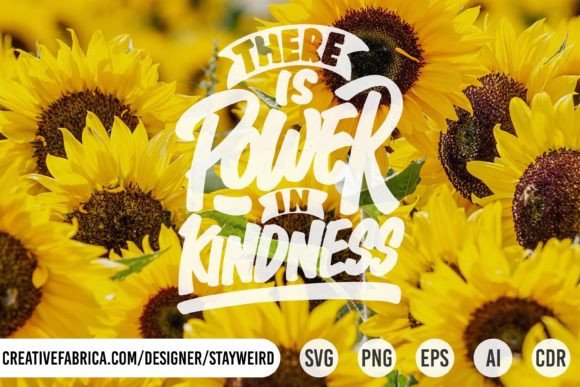
When I first opened the file for THERE is POWER in KINDNESS, my immediate thought wasn't about the sentiment, but about the mechanics of stitching it. As someone who has spent years turning digital graphics into tangible, stitched reality, I know that a beautiful quote on a screen often loses its magic when it hits the hoop. This design falls squarely into the T-Shirt Designs and Graphics categories, but its true potential lies in how well it translates to thread. The typography is bold, the message is clear, and the layout suggests a design meant to be seen, not just read.
The mood this design creates is one of quiet confidence. It isn't screaming for attention with neon colors or chaotic patterns; instead, it relies on the strength of the statement itself. For an embroidery designer, this is a refreshing change. It feels like a piece that belongs on a heavy cotton tote bag, a soft sweatshirt, or perhaps a nursery pillow where the texture of the fabric adds warmth to the words. The visual personality is clean and modern, which makes it versatile enough for a boutique brand or a personal gift, but we need to look closer at how it performs under the needle.
From Screen to Stitch: A Real-World Scenario
Let's imagine a real-life scenario to test THERE is POWER in KINDNESS. You are preparing a custom order for a local yoga studio or a small wellness shop. They want embroidered tote bags for their customers to carry their mats. The client loves the quote and thinks it fits their brand perfectly. You load the design onto your machine, selecting a natural linen fabric for the bags and a contrasting dark grey thread for the text.
As the machine starts, you watch the stitches form. The lettering in THERE is POWER in KINDNESS needs to hold up against the friction of daily use. Because this is a motivational typography quote, the spacing between letters is crucial. If the stitch density is too high, the fabric might pucker, ruining the crisp look of the design. If it is too low, the text might look thin and cheap. In this specific case, the design works beautifully as a central focal point on the tote. The simplicity allows the texture of the linen to shine through, creating a handmade product that feels premium rather than mass-produced.
Now, consider if you were using this for a baby item, like a onesie or a blanket. The same design would take on a softer role. Here, the "power" of the kindness message becomes a gentle reminder for parents. However, working on stretchy knit fabrics requires a different approach. You would need to ensure the stabilizer is robust enough to support the fill stitches without distorting the garment. The design is adaptable, but it demands respect for the material it is placed upon.
Where This Design Shines in Embroidery Projects
THERE is POWER in KINDNESS is not just a graphic; it is a tool for building brand consistency. For Etsy sellers and small business owners, having a cohesive look across products is vital. This design can easily transition from a tote bag design to a patch on a denim jacket or even an embroidered patch on a cap. The typography is strong enough to remain legible even when scaled down slightly, making it ideal for smaller items like stickers or aprons.
- Custom Apparel: On a heavyweight hoodie, the design stands out with depth. The contrast between the fabric and the thread creates a professional finish that customers associate with quality.
- Holiday Gifts: Imagine gifting a personalized kitchen towel with this quote embroidered on it. The combination of a practical item and an uplifting message makes it a memorable gift that recipients will actually use.
- Commercial Embroidery: For corporate gifts or team uniforms, this design offers a positive, inclusive vibe without being overly trendy. It ages well, ensuring the merchandise remains relevant for seasons to come.
- Digital Product Sellers: If you are selling printable mockups or digital embroidery files, this design is a great asset. It serves as a perfect example of how a simple text-based graphic can elevate a product line.
The versatility extends to various fabric textures. Whether you are working with smooth satin for a luxury feel or rough burlap for a rustic aesthetic, the design adapts. The key is in the thread color selection. A metallic thread could add a touch of elegance, while a matte cotton thread keeps it grounded and earthy. This flexibility makes it a staple in any embroidery project library.
Caution Zones: When to Think Twice
However, no design is perfect for every situation. There are specific scenarios where THERE is POWER in KINDNESS might require careful consideration or even a redesign. Small hoop sizes are a common pitfall. If you try to fit the entire phrase on a tiny 4x4 hoop, the lettering might become cramped, and the details could get lost in the stitching process. Similarly, textured fabrics like chunky knits or heavily woven linens can hide the finer points of the design, making it look muddy rather than sharp.
Stretchy fabrics present another challenge. While a t-shirt is fine with proper stabilization, attempting this on a very thin, stretchy jersey without adequate backing can lead to distortion. The tension of the thread pulling the fabric together might cause the shirt to pucker around the text, detracting from the professional look. Dark fabrics also require extra attention. If the background is black, you must choose a thread color that pops sufficiently. A light grey on black might wash out after a few washes, whereas a bright white or gold would maintain visibility.
Furthermore, avoid placing this design on curved surfaces like caps unless you have significant experience with curved embroidery. The perspective shift can alter the perceived weight of the letters, potentially making the word "POWER" look heavier than "KINDNESS" due to the angle. Dense stitch areas should also be monitored; if the design calls for too much fill in a small space, the fabric may become stiff and uncomfortable to wear. Always inspect small details before committing to a full production run.
Practical Notes for the Discerning Designer
Before you start stitching, there are several technical steps you must take to ensure the success of your finished product. First and foremost, test the design on scrap fabric. This is non-negotiable. You need to see how the stitch density interacts with your specific fabric type. Does it pucker? Does it tear through? Adjustments to the hoop size or stabilizer choice might be necessary.
Check your thread colors carefully. Run a printout of the design in black and white to verify the contrast levels. Sometimes what looks good in color on a monitor fails miserably in monochrome thread. Review the satin stitch and fill stitch settings in your software. Ensure that the angles of the stitches are optimized to prevent thread breaks and bird nesting. If the design includes any decorative accents or tiny lettering, zoom in and inspect them closely. Tiny details often disappear during the actual stitching process.
Don't forget to check the licensing terms. Are you allowed to sell finished items made with this embroidery file? Some designs are for personal use only, while others allow commercial sales. Confirming these terms protects your craft business from legal issues. Also, compare light and dark fabric backgrounds to see which yields the best result. Finally, ensure you are using the proper stabilizer for the weight of the fabric. A lightweight cut-away might work for a t-shirt, but a heavy-duty tear-away could be needed for a canvas tote.
In conclusion, THERE is POWER in KINDNESS is a thoughtful addition to any designer's toolkit. It balances emotional resonance with practical application. By paying attention to the nuances of fabric, thread, and machine settings, you can transform this simple graphic into a high-value item that resonates with customers. Whether you are creating a personalized gift or stocking your Etsy listings, this design offers a solid foundation for building a brand centered on positivity and craftsmanship.