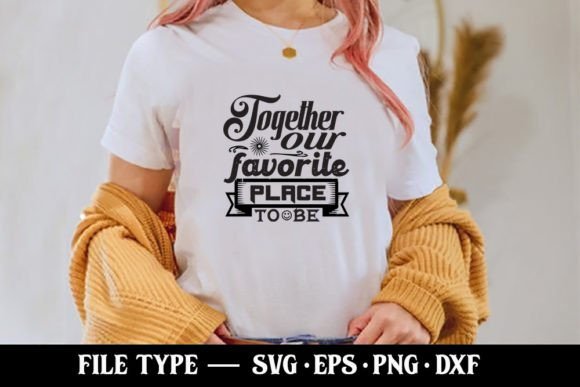
Together Our Favorite Place to Be
I have spent years reviewing embroidery files, sifting through thousands of digital assets to find the few that actually translate well from a screen to a needle. Most designs look perfect in a preview window but fall apart when you try to stitch them out on a real garment. That is why I treat every new download with a healthy dose of skepticism until I see how it performs under pressure. Today, I am putting Together Our Favorite Place to Be to the test. This isn't just another generic quote; it carries a specific emotional weight that needs careful handling to avoid looking cheap or cluttered.
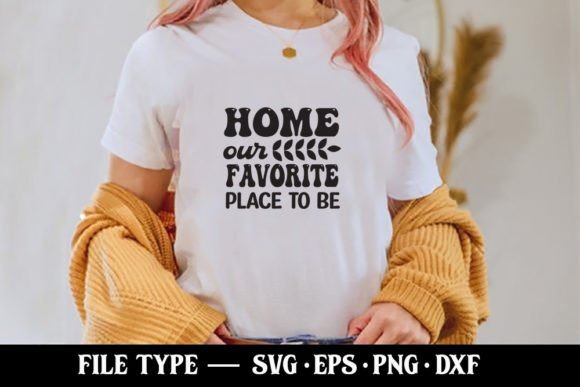
The first impression of this design is warm and inviting. The phrase suggests intimacy, family gatherings, and the comfort of home. When I looked at the layout initially, my immediate thought was that this belongs on something soft and tactile. It feels like a natural fit for a custom embroidered tote bag or a cozy sweatshirt rather than a stiff corporate uniform. The visual personality of the text suggests a relaxed, handwritten style that invites touch. However, as an experienced designer, I know that "cozy" can easily turn into "messy" if the stitch density is too high or the letter spacing is too tight.
To understand its true potential, I ran a mental simulation of a real-life scenario. Imagine I am preparing a gift for a client who runs a small boutique. They want a line of holiday gifts featuring personalized kitchen items. I pull up Together Our Favorite Place to Be as a candidate for a set of tea towels and pillow covers. The concept is strong: a welcoming message right where guests would see it. But would it hold up? In a commercial setting, durability and clarity are non-negotiable. If the stitching blurs after one wash, the brand credibility takes a hit. I need to be sure that the design maintains its integrity on textured fabrics like waffle weave or heavy cotton blends.
Real-World Performance on Various Fabrics
When I consider using this embroidery file for custom apparel, specifically sweatshirts or baby clothes, the texture of the fabric becomes the primary variable. Sweatshirts offer a forgiving surface, allowing the satin stitches to sit comfortably without pulling the material. For baby embroidery, the stakes are higher because the fabric is often thinner and more prone to puckering. If Together Our Favorite Place to Be has dense fill areas, it might create a stiff patch that could irritate a baby's skin. I would recommend testing this on scrap fleece or soft knit before committing to a finished product.
For tote bag designs, the canvas provides a sturdy base that can handle moderate detail. The phrase works beautifully here, acting as a statement piece for a craft business or a personal accessory. However, if the design includes tiny decorative accents or intricate corners, those elements risk getting lost on the rough texture of a canvas bag. Running stitch elements might work better here to maintain a light, airy feel that matches the casual nature of the tote. Similarly, for apron embroidery, which sees a lot of movement and washing, the design must be robust. A dense satin stitch border around the text could provide the necessary structure to keep the letters crisp over time.
Holiday embroidery projects often involve layering garments or adding multiple patches. If I were to use this design on a cap, the curved surface presents a unique challenge. Caps require precise digitizing to account for the curvature of the head. If the original design was created for a flat surface, applying it to a hat might distort the text, making it look uneven. In such cases, I would advise checking the hoop size compatibility carefully. A design that fits perfectly in a 4x4 hoop might not translate well to the smaller hoops required for baseball caps or visors.
Where Caution Is Required
Not every project is a good match for this design, and recognizing the limitations is part of being a professional. Small hoop sizes are a common pitfall. If the design contains fine details or small lettering, shrinking it down to fit a 2-inch hoop will result in thread bunching and loss of definition. Textured fabrics like corduroy or bouclé can also swallow up delicate stitches, making the design appear faint or incomplete. Thin fabrics, especially if they lack proper stabilizer support, may pucker significantly, ruining the clean lines of the quote.
Dense stitch areas should be approached with care. If the design relies heavily on fill stitches to create boldness, it adds bulk to the garment. On stretchy fabrics, this bulk can cause the fabric to warp, leading to an unprofessional finish. Dark fabrics present another hurdle; if the thread colors chosen do not have enough contrast against the background, the message gets lost. I always suggest testing the design in black and white mockups first to ensure the value contrast is sufficient before spending hours on the machine.
Furthermore, products that need frequent washing, such as dishcloths or daily wear tees, require designs that can withstand abrasion. If the design features loose decorative accents or thin running stitches, these elements may fray or break off after a few cycles. For commercial embroidery projects intended for resale, the longevity of the stitch job directly impacts customer trust. A design that looks great out of the box but fades quickly will hurt your reputation as a seller.
Practical Notes for the Embroidery Designer
Before you load this file into your machine, there are several critical steps to take. First, always test the design on scrap fabric that matches the final project material. This allows you to adjust the tension and stabilizer type without risking your actual product. Check the thread color contrast by placing the design on both light and dark backgrounds to see how it translates visually. Review the stitch density; if the file seems overly packed, consider simplifying the design or reducing the density settings in your software.
Confirming the hoop size is essential. Ensure your machine's hoop can accommodate the full dimensions of the design without cutting off any letters or decorative elements. Inspect small details closely; sometimes, what looks like a single pixel on a screen becomes a tangled mess of thread on fabric. Use proper stabilizer—cut-away for knits and tear-away for wovens—to prevent shifting and distortion during the stitching process.
It is also vital to verify whether the design works for both personal and commercial projects. Many digital embroidery files come with specific licensing terms that dictate how many finished products you can sell. Confirming these terms before creating a batch of merchandise for an Etsy listing or a craft fair prevents legal issues later. Finally, compare the design against other assets in your library. Does Together Our Favorite Place to Be fit the aesthetic of your brand? Does it align with the values of your handmade shop?
In conclusion, Together Our Favorite Place to Be offers a compelling option for designers looking to add warmth to their collection. Whether you are creating personalized gifts, boutique branding, or simple DIY projects, this design has the potential to elevate your finished product. By paying attention to fabric choice, hoop limitations, and stitch quality, you can ensure that the final result meets the high standards expected by discerning customers. Treat it with respect, test it thoroughly, and you will likely find it becomes a staple in your creative toolkit.