We're All Human, Aren't We: A Designer's Take
I have spent years reviewing embroidery designs for both personal craft projects and commercial client work. There is a specific moment when you download a file that shifts from a simple graphic to a potential finished product. Today, I am looking at We're All Human, Aren't We Every Human, a design that claims to be a trendy minimalist quote about the value of life. As an experienced designer, my job is not just to admire the layout but to predict how it will behave under a needle, on various fabrics, and in the hands of a customer.
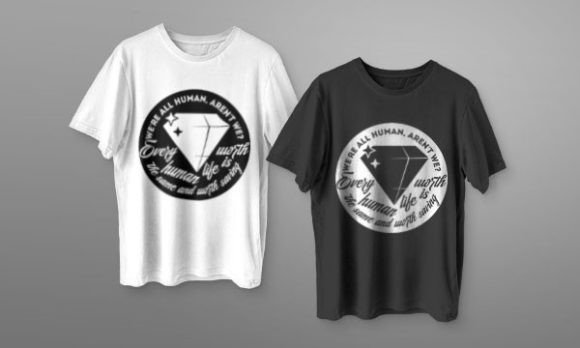
When I first opened the files for We're All Human, Aren't We Every Human, the immediate impression was one of clean, modern typography. The concept is straightforward: "We're all human, aren't we?" followed by the affirmation that every life is worth saving. This is not a complex illustration with intricate floral borders or detailed character portraits. It is pure text-based art. For those of us who specialize in machine embroidery design, this distinction matters immensely. Text-heavy designs rely entirely on font choice, spacing, and stitch density to convey their message without becoming muddy blobs of thread.
The visual personality of this piece feels grounded and empathetic. It creates a mood of inclusivity and calm. Unlike some aggressive slogans or overly decorative scripts that scream for attention, this design whispers. It feels like something you would see on a high-quality tote bag in a boutique or a soft sweatshirt in a cozy coffee shop. The layout suggests a trendy minimalist T-shirt design aesthetic, which translates surprisingly well into the world of embroidery files. However, translation is the key word here. What looks crisp on a screen does not always stitch cleanly on fabric.
Real-World Application: From Screen to Stitch
To truly understand the utility of We're All Human, Aren't We Every Human, I simulated a real-life scenario. Imagine you are preparing custom merchandise for a local charity event or creating a personalized gift for a community center. You decide to embroider this quote onto a canvas tote bag. This is a classic use case for this type of Graphics asset.
The tote bag offers a stable, flat surface, which is ideal for text. When I visualized the stitching process, I considered how the satin stitch would handle the curves of the letters. Minimalist fonts often use thin strokes, which can be risky if the stitch density is too low. If the threads are spaced too far apart, the fabric might show through, ruining the professional look. Conversely, if the density is too high, the fabric could pucker, making the bag difficult to carry. Based on the description of this as a vector-based design, I expect the digitization to be fairly standard, but testing is non-negotiable.
This same design would also perform exceptionally well on a baby onesie or a nursery pillow cover. The message carries a gentle, protective tone that fits perfectly with baby embroidery projects. Parents often look for meaningful quotes that are not cheesy or cliché. We're All Human, Aren't We Every Human strikes a balance between being profound and approachable. It works as a statement piece for a handmade product intended to comfort or inspire. Whether you are an Etsy seller building a brand around kindness or a crafter making holiday gifts, this design has emotional resonance.
Navigating Technical Challenges
However, no design is perfect for every application. As a reviewer, I must point out where We're All Human, Aren't We Every Human might struggle. The primary concern lies in the execution on challenging surfaces. If you plan to use this for custom apparel like a cap or a curved hat, the curvature of the brim can distort straight lines. Without careful hoop placement and stabilization, the text could appear slanted or stretched.
Similarly, textured fabrics present a significant hurdle. While a smooth cotton tee is forgiving, a heavy denim jacket or a ribbed knit sweater can hide fine details. If the design relies on small gaps between letters or delicate serifs, these features might disappear into the texture of the material. I would advise against using this design for very small hoop sizes unless the lettering is simplified. Tiny lettering on a patch or a sleeve cuff requires extreme precision; any slight misalignment becomes obvious when the final product is inspected closely.
Dark fabrics add another layer of complexity. To make white or light-colored thread pop against a black background, you often need a higher stitch count or a specific underlay technique. If the original digital embroidery file does not account for dark backgrounds, the text may look faint or lack definition. Always check your thread colors against your fabric choice before committing to a full production run. A quick test on scrap fabric is the only way to ensure the contrast will hold up after washing.
Impact on Brand and Product Value
Beyond the technicalities, there is the question of market appeal. In the world of craft business and small shop products, the quality of the embroidery speaks volumes about the maker. A sloppy stitch job can ruin even the best message. But a well-executed embroidered patch or sweatshirt embroidery elevates the perceived value of the item significantly.
We're All Human, Aren't We Every Human has the potential to build strong connections with buyers. People buy handmade goods not just for the object itself, but for the sentiment behind it. This design taps into a universal truth, making it highly giftable. It works beautifully as a holiday gift, a wedding favor, or a token of appreciation for healthcare workers. The clarity of the message combined with the tactile nature of embroidery creates a sense of authenticity that mass-produced prints cannot match.
For commercial embroidery projects, consistency is key. If you are producing a batch of 50 aprons for a restaurant or 100 pillows for a hotel lobby, the design needs to remain legible and consistent across every single item. The minimalist nature of this design helps here because there are fewer elements to go wrong. However, you must ensure that the stabilizer used matches the weight of the fabric to prevent shifting during the machine cycle.
Essential Designer Notes for Success
If you are planning to incorporate this embroidery project into your workflow, here are my practical recommendations based on industry standards:
- Test Before You Commit: Never skip the scrap fabric test. Stitch the design on a piece of the actual fabric you intend to use to check for puckering, thread breaks, or tension issues.
- Verify File Specifications: Ensure you know the exact hoop size required. If the design is large, you may need multiple hooping positions, which increases the risk of alignment errors.
- Check Licensing: Before selling finished items made with this design, confirm the licensing terms. Some design assets allow personal use only, while others permit commercial sales. Ignoring this can lead to legal trouble.
- Mockup Wisely: Use printable mockups to visualize the design on different garments. Look at the design in black and white to ensure the hierarchy of the text remains clear even without color.
- Stabilize Properly: Depending on whether you are working with stretchy fabric or a woven material, choose the appropriate stabilizer (cut-away, tear-away, or sticky) to maintain shape.
In conclusion, We're All Human, Aren't We Every Human is a thoughtful addition to any library of embroidery files. It bridges the gap between digital simplicity and textile artistry. While it requires attention to detail regarding fabric selection and machine settings, the payoff is a high-quality, emotionally resonant product. Whether you are a hobbyist making a gift or a seasoned apparel decorator fulfilling a bulk order, this design offers a solid foundation for creating something meaningful. Just remember that the magic happens in the preparation, not just the download.